
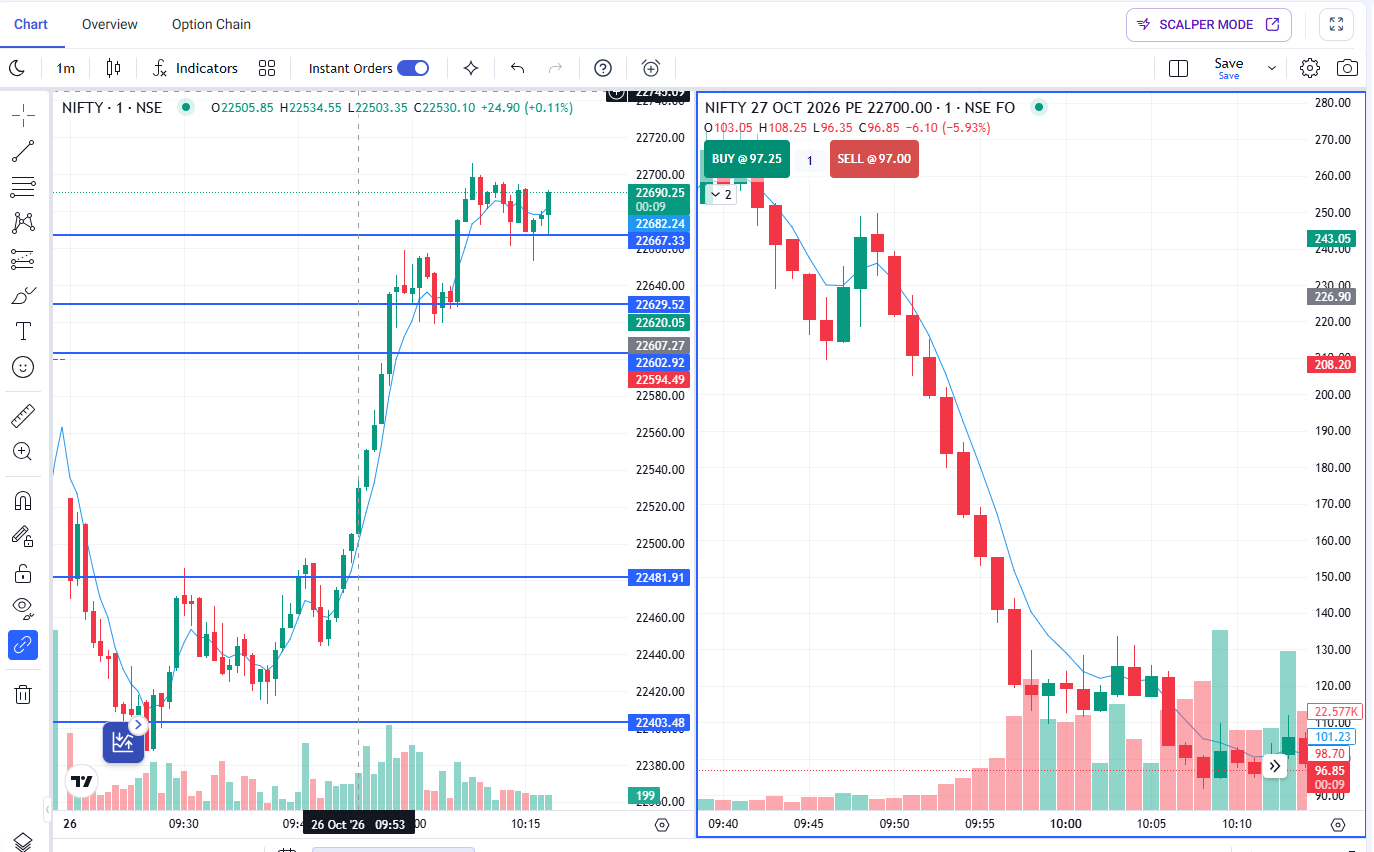
NIFTY Crashed Then Exploded 287 Points: How PE 22700 Lost 65% in One Session

The stock market can change its direction in minutes. A sharp fall can create panic among traders, while a sudden recovery can leave bearish positions under pressure. This is exactly why intraday trading, especially options trading, requires more than simply predicting whether the market will go up or down.
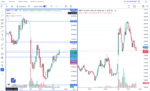
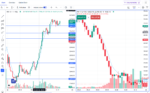
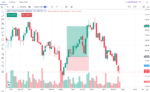
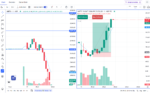
In this market analysis, we explore a dramatic NIFTY session in which the index reportedly moved through a sharp decline before staging a powerful 287-point recovery. At the same time, the NIFTY 22700 Put Option (PE) reportedly lost around 65% of its premium during the session.
This kind of price action highlights an important lesson for option traders: being right about one part of the market movement does not automatically mean making a profit. Entry timing, option premium behaviour, volatility, and risk management can all influence the final result.
What Happened in the NIFTY Market?
The session was marked by a sharp change in market direction. NIFTY initially came under selling pressure, creating a bearish environment and encouraging traders to look for further downside.
However, the market did not continue falling in a straight line. Buying activity emerged, and the index reportedly recovered by approximately 287 points. Such a strong reversal can quickly change the intraday outlook.
For traders who entered positions during the initial decline, the recovery may have created unexpected pressure. Those holding put options could have faced falling premiums as the underlying index moved higher.
It is important to understand that the 287-point movement and the reported 65% premium decline should be checked against the relevant session’s chart and market data before being treated as confirmed figures.
How Can a 287-Point NIFTY Recovery Affect a Put Option?
A put option generally benefits when the underlying index moves lower, all else being equal. When the index rises, the put option may lose value because the probability of a profitable bearish outcome decreases.
But option premiums do not move in a perfectly fixed relationship with the index. Their behaviour depends on several factors, including the distance between the strike price and the current index level, implied volatility, and the time remaining until expiry.
During a strong market recovery, these factors can combine to produce a substantial decline in a put option’s premium.
For example, if a trader buys a put option expecting the market to continue falling, but NIFTY reverses sharply upward, the trade can move into a loss quickly. If volatility also declines or the option approaches expiry, the premium may fall even faster.
This is one reason option buyers need to monitor both the index chart and the option’s own price action.
Why Did the NIFTY 22700 PE Premium Reportedly Fall 65%?
A reported 65% decline in an option premium is a significant move. However, the exact reason cannot be established from the percentage alone. The following factors may help explain such a decline.
1. A Sharp Recovery in the Underlying Index
The first factor to examine is the movement in NIFTY itself.
When an index rises sharply, put options may lose intrinsic value or become less likely to finish in the money. The effect depends on the strike price and the index level.
If traders were holding bearish positions during the recovery, they may also have closed those positions, adding to changes in market demand for the option.
2. Changes in Implied Volatility
Implied volatility represents the market’s expectation of future price movement as reflected in option prices.
During a sharp decline, uncertainty and demand for protection can sometimes push implied volatility higher. If the market subsequently recovers and uncertainty decreases, implied volatility may fall.
This decline, often called a volatility contraction, can reduce an option’s premium even beyond the effect of the index movement.
However, implied volatility does not always fall during a recovery. Its actual behaviour must be checked using the relevant option data.
3. Time Decay
Options have a limited lifespan. As expiry approaches, their time value generally decreases, assuming other factors remain unchanged.
This effect is known as time decay, commonly measured by an option’s theta.
For short-dated options, time decay can be particularly important. A trader who buys an option and waits for the expected move may lose money if the move takes too long or fails to occur before expiry.
Time decay is not necessarily the sole reason for a large premium decline, but it can contribute to the overall loss.
4. Strike Price and Moneyness
The strike price matters because it determines how the option relates to the current index level.
A 22700 PE may respond differently depending on whether NIFTY is above, near, or below 22,700. Its sensitivity also changes as the market moves.
Before analysing a specific option, traders should check the actual strike, expiry date, underlying index level, and premium chart. The strike number alone is not enough to explain the option’s behaviour.
Why Chasing the Market Can Be Risky
One of the most common mistakes in intraday trading is entering a position after a large move has already happened.
After a sharp fall, traders may assume that the market will continue downward and buy put options without waiting for confirmation. But markets can reverse suddenly, especially around important support zones or after aggressive selling.
Similarly, traders who miss a recovery may buy call options late, only to face another reversal.
The problem is not simply choosing the wrong direction. It is making a decision without a defined entry, exit, and risk plan.
A better approach is to wait for price confirmation, identify important levels, and calculate the potential loss before placing a trade.
Key Lessons for NIFTY Option Traders
1. Do Not Trade on Direction Alone
Predicting that NIFTY will fall is only one part of an options trade. The timing of the move, the option’s strike price, expiry, and implied volatility also matter.
Even if the index initially moves in the expected direction, a delayed move or sudden reversal can affect the premium.
2. Define Your Stop-Loss Before Entering
A stop-loss helps establish when a trade idea is no longer working.
Traders should decide in advance how much they are willing to lose on a position. The stop-loss should reflect the trading setup and the option’s volatility rather than being chosen randomly.
A stop-loss cannot guarantee an exact exit price, especially during fast markets or gaps, but it can help impose discipline.
3. Avoid Oversized Positions
Buying multiple option lots to recover an earlier loss can magnify the damage if the market moves against the position.
Position size should be based on the amount of capital at risk, not on the profit a trader hopes to make.
If a potential loss would create pressure to take another trade immediately, the position may be too large for the trader’s risk tolerance.
4. Do Not Confuse a Cheap Premium With a Safe Trade
An option with a low premium is not automatically a bargain. It may be inexpensive because the probability of a profitable outcome is low, little time remains, or the option is far from the money.
Before buying, traders should understand the option’s expiry, liquidity, bid-ask spread, and sensitivity to changes in the underlying index.
5. Avoid Revenge Trading
A sudden premium decline can trigger frustration and the urge to recover losses immediately.
This is known as revenge trading. It often leads to impulsive entries, excessive position sizes, and repeated trades without a clear setup.
After a significant loss, taking a break and reviewing the original trade can be more useful than immediately entering another position.
6. Keep a Trading Journal
Record the reason for each trade, the entry price, stop-loss, exit price, position size, and emotional state.
Over time, these records can help identify repeated mistakes, such as entering too late, ignoring volatility, or moving a stop-loss after the trade begins to lose.
The goal is not to win every trade. It is to improve decision-making and manage risk consistently.
How to Analyse a Sudden NIFTY Reversal
When NIFTY moves sharply in one direction and then reverses, traders can use a structured process to assess the market.
Step 1: Review the broader trend. Check whether the move is occurring within a larger uptrend, downtrend, or sideways market.
Step 2: Mark important price levels. Identify relevant support, resistance, and the session’s high and low. Avoid assuming that a level will hold without evidence.
Step 3: Look for confirmation. Observe price action and, where useful, volume before deciding whether the reversal has follow-through.
Step 4: Check the option separately. Review its premium chart, expiry, liquidity, and implied volatility. The option may behave differently from what a simple index-level prediction suggests.
Step 5: Calculate the risk. Decide the maximum acceptable loss and position size before entering. If the setup does not offer an acceptable risk-reward profile, skipping the trade is a valid decision.
No indicator or chart pattern can predict every reversal. The purpose of analysis is to make decisions more structured, not to eliminate uncertainty.
Final Thoughts
A sharp NIFTY decline followed by a reported 287-point recovery, alongside a reported 65% fall in the NIFTY 22700 PE premium, illustrates how quickly conditions can change in intraday options trading.
The key lesson is not that traders should always buy calls after a fall or avoid put options altogether. It is that options require careful analysis of direction, timing, volatility, expiry, and risk.
Successful trading is not about catching every market move. It is about protecting capital, following a repeatable process, and avoiding emotional decisions when the market becomes unpredictable.
For traders, discipline can be more valuable than trying to predict the next big move.
Disclaimer: This article is for educational and informational purposes only and is not investment advice or a recommendation to buy or sell any security or derivative. Options trading involves substantial risk and may result in the loss of the entire premium paid. Verify all market movements and option-premium figures against official or reliable historical data before making trading decisions.
[…] NIFTY Crashed Then Exploded 287 Points: How PE 22700 Lost 65% in One Session […]