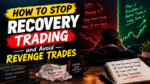
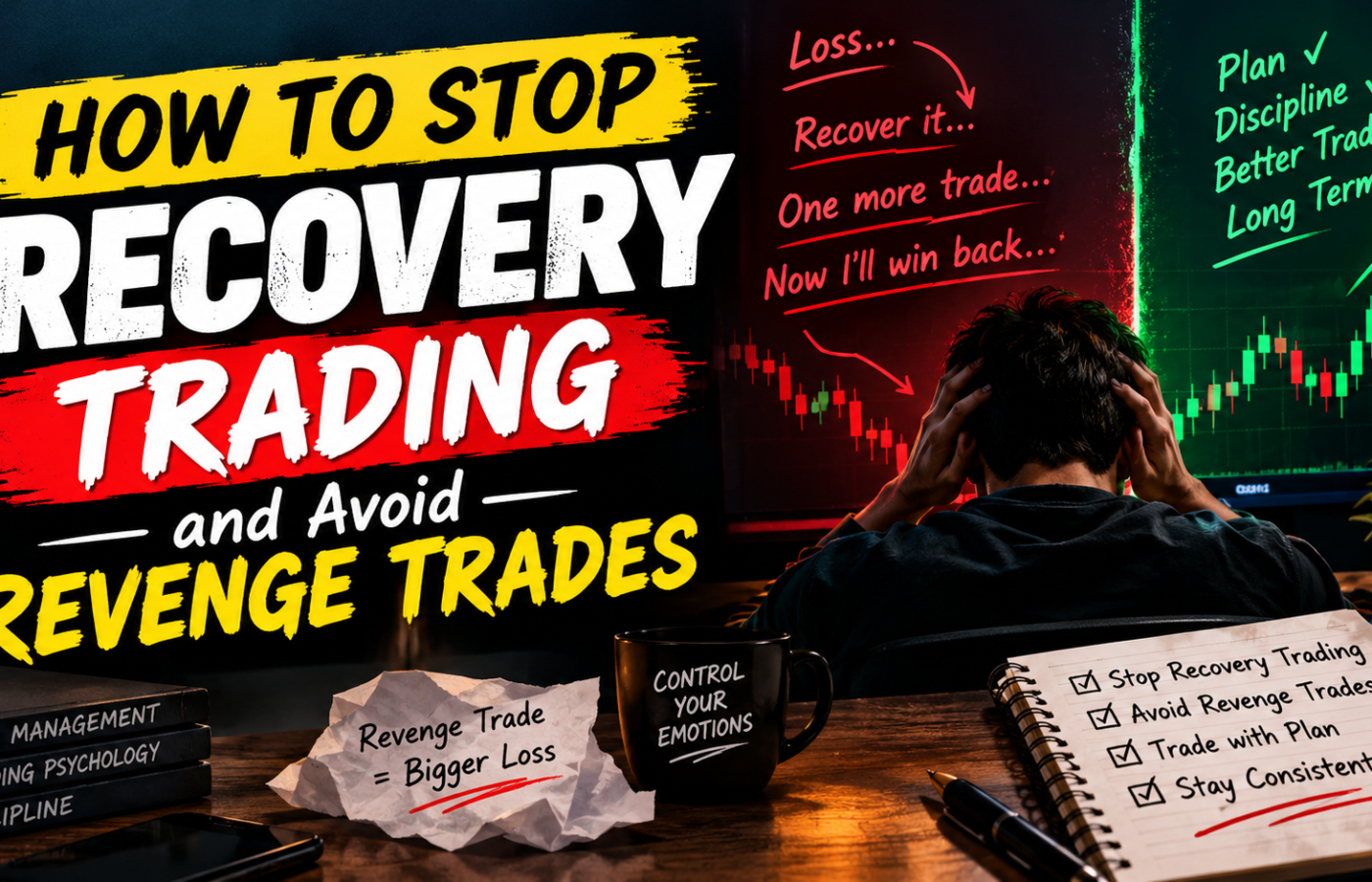
How to Stop Recovery Trading and Avoid Revenge Trades

A losing trade can trigger the urge to jump back into the market and win the money back quickly. This reaction—often called revenge trading or recovery trading—can lead to rushed decisions, oversized positions, and even greater losses. The key is to interrupt the cycle before emotions take over.
Recognize the warning signs
You may be slipping into revenge trading if you:
- Enter a trade immediately after a loss without checking your strategy
- Increase your position size to try to recover money faster
- Ignore your usual entry or exit rules
- Keep trading while feeling angry, anxious, or desperate
- Focus more on making back a loss than on whether a trade is suitable
Noticing these signs early gives you a chance to pause and reset.
Take a break after a loss
Step away from the trading platform when you feel emotionally charged. Set a clear cooling-off period—such as ending your session for the day—rather than relying on willpower in the moment. Use the break to regain perspective, not to search for an immediate trade to offset the loss.
Set risk limits in advance
Decide on your risk boundaries before you trade. These might include a maximum loss per trade, a daily loss limit, or a rule to stop trading after a set number of consecutive losses. Choose limits that suit your circumstances, and consider using platform controls where available. Risk limits cannot eliminate losses, but they can help prevent one difficult session from escalating.
Return to your written plan
Before placing another trade, review your strategy and ask whether the opportunity genuinely meets its rules. Write down your reason for entering, the risk you’re accepting, and the conditions that would invalidate the trade. If the only reason for entering is to recover a previous loss, don’t place the trade.
Review the loss objectively
Once you’re calm, record what happened in your trading journal:
- What was your original plan?
- Did you follow it?
- Were costs, market conditions, or unexpected events involved?
- What, if anything, can you learn from the decision?
A loss does not automatically mean you made a mistake; a profitable trade does not automatically mean the decision was sound. Focus on whether you followed a thoughtful process.
Reduce pressure and protect essential funds
Avoid trading with money needed for rent, bills, debt payments, or other essential expenses. If trading is causing significant stress or affecting your finances, consider pausing and seeking support from a qualified financial professional.
Create a simple reset routine
After a difficult trade, use a repeatable routine:
- Close the platform or step away.
- Take time to calm down before making another decision.
- Review your risk limits and trading plan.
- Record the trade in your journal.
- Resume only if you can identify a valid setup and accept the potential loss.
Final thoughts
The goal after a loss is not to win the money back immediately—it’s to avoid making a difficult situation worse. Pausing, respecting risk limits, and following a written plan can help you make more deliberate decisions. Trading always involves risk, and no method can guarantee recovery or profits.
This article is for educational purposes only and is not personalized financial advice. Trading can result in the loss of some or all of your capital.